

Rose and Lavender Essential Oils (10 Ml Each) (Pack of 2)
₹1,299
₹2,899
55% OffUgadi Sale!
00H:43M:59S
Final Price inclusive of all taxes
size
Free Size
Product Information
Brand
Blue Tree Aroma
Country of Origin
India
Pack of
1
Type
Essential Oil
Eco-Friendliness
Sustainable Materials, Biodegradable, Zero-Waste.
Tags
combo packs, Essential Oil
Ocassion
Store in a cool, dark place, away from direct sunlight.
Product Description
Rose and lavender essential oils are both popular and versatile essential oils that are known for their pleasant scents and potential health benefits. Here are some potential benefits of rose and lavender essential oils:
Rose Essential Oil
The rose is widely considered the most beautiful flower in the world; however, its not only its physical beauty and fragrant aroma thats enticing. The Essential Oil it produces has a myriad of benefits for the body and mind, and has been used in aromatherapy for thousands of years.

WHAT'S IN A NAME? THE MEANING OF ROSE
The word rosa is derived from the Greek word rodon, meaning €œred.€ The rose used by the Greeks was a deep, crimson color€”the color of blood, passion, and love. The Greek poet Sappho referred to rose as the €œQueen of Flowers.€
So when Juliet asks, Whats in a name? we know that this flower of love is named for the deep, red passion of Grecian roses.

(Romeo and Juliet)
WHERE DOES ROSE ESSENTIAL OIL COME FROM?
Rose Essential Oil has been used in beauty treatments and to treat health conditions for thousands of years. The rose itself, according to fossil evidence, is around 35 million years old, and its 150 species are thought to originate from throughout the Northern Hemisphere; from Alaska to Mexico and even northern Africa.
HISTORY OF ROSE ESSENTIAL OIL
A worldwide phenomenon : Fossils have shown that the rose originated in Central Asia around 35 million years ago. Thanks to its unique beauty and scent, it was adopted by early civilizations such as the Chinese, Egyptians and Romans, who grew the rose widely as long as 5000 years ago.
The rose takeover : The gardeners of the Han dynasty were so obsessed with the beauty of the rose that their parks threatened to engulf the land that was required for farming.
The €˜wonder oil : The Incas adopted Rose Essential Oil in a variety of ways, using it as a cure-all remedy.

(Rose picking and rose essential oil production in Bulgaria)
BENEFITS AND USES
- The two most common types of roses used to create rose essential oil are the damask rose and the cabbage rose.
- Rose essential oil is commonly used for its pleasing aroma. It is often found in perfumes, skincare products and bath products. In fact, the oil has aphrodisiac properties that can increase feelings of arousal and intimacy.
Uses and benefits :

Fights Depression

Sedates Inflammation

Skin Care

Pleasant Aroma

Diffuse with aroma diffuser.
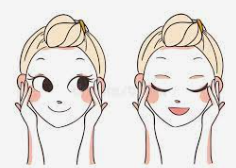
Apply on your face with any carrier oil suitable for you.

LAVENDER ESSENTIAL OIL : MEDICINE CHEST IN A BOTTLE
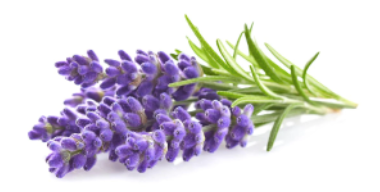
Highly Symbolic
Lavender is commonly associated with purity, devotion, serenity and calmness. These themes are often related to the ways lavender is used. Calmness and serenity point toward lavender's uses in aiding sleep and easing anxiety. Purity is shown through lavender's use throughout history in cleaning and its associations with cleanliness.
It Has Ancient Roots
The origin of Lavender is believed to be from the Mediterranean, Middle East and India. Its history goes back some 2500 years. Lavender is a flowering plant of the mint family known for its beauty, its sweet floral fragrance and its multiple uses.
- The ancient Egyptians made use of lavender during their mummification process, embalming the corpse with perfume.
- The ancient Greeks, on the other hand, used lavender to treat insomnia and ease back pain.
- During the Bubonic Plague in the 17th century, lavender was used as a remedy to ward off potential disease.
- Lavender is actually quite the effective bug repellent!
- When it comes to plant symbolism, lavender represents purity, devotion, serenity, grace, and calmness.
- Unsurprisingly, Queen Victoria was also a huge fan of lavender. She made sure that all of her furniture was cleaned with a lavender-based solution, and her drink of choice was lavender-infused tea to help ease her stomach.

(Queen Victoria)
Love, or the history of lavender affection
Lavenders association with love extends from Cleopatra to modern times. Tutankhamuns tomb contained traces of still-fragrant lavender, and its said Cleopatra used lavender to seduce Julius Caesar and Mark Antony.

(Cleopatra and Julius Caesar)
Evil, or more commonly known today as microbes
Beyond scenting bed linen and clothing, lavender was hung above doors to protect against evil spirits. We know now its a strong antimicrobial that may help prevent certain diseases, but back then the idea was that lavender protected against evil fits.
Sixteenth-century glovemakers who perfumed their ware with the herb were said to not catch cholera. Seventh-century thieves who washed in lavender after robbing graves didnt get the plague. In the 19th century, gypsy travelers sold bunches of lavender on the streets of London to bring people good luck and protect against ill fortune.

(Lavender flowers are being sold on the Streets of London)
In Spain and Portugal, lavender was traditionally strewn on the floor of churches or thrown into bonfires to avert evil spirits on St. Johns Day. In Tuscany, pinning a sprig of lavender to your shirt was a traditional way to ward against the evil eye. Queen Elizabeth I of England had fresh lavender in vases at her table every day.
Use by ancient doctors
The Greek physician to the Roman army, Dioscorides, wrote that lavender taken internally would relieve indigestion, sore throats, headaches, and externally cleaned wounds.
The Romans named the plant after its use in their bathing rituals (€œlava€ is to wash), realizing lavender isnt only relaxing, but also antiseptic.
Sixteenth-century English herbalist John Parkinson wrote that lavender was €œespecially good use for all griefes and paines of the head and brain,€ and Charles VI of France insisted his pillow always contain lavender so he could get a good nights sleep. People still use lavender in pillows today.
In Asian traditional medicine, lavender has long been used for its €œcooling€ effect and for helping the €œShen,€ or mind, by cooling the heart, helping people relax and find relief from troubles in the mind that give rise to tension in the body.
In more recent history, lavender became famous for its skin healing when René-Maurice Gattefossé, the 1930s French chemist, burned his hand in his laboratory. He applied lavender oil to treat the burn and was so impressed by the quick healing process that he published a book, €œAromathérapie: Les Huiles Essentielles, Hormones Végétales,€ and coined the word aromatherapy (the therapy of aromatic plants). Lavender was used by doctors during WWII to heal wounds.
At the same time, a French biochemist, Marguerite Maury, developed a unique method of applying these oils to the skin with massage €” hence the practice of aromatherapy massage €” now used all over the world.
What makes lavender work?
Like most medicinal plants, lavender contains different active chemicals, and its the combined effects of these chemicals that make this plant work like a skilled car mechanic: adept at finely tuning the whole body to make it run smoothly.
For lavender, the chemicals are:
- polyphenols like rosmarinic acid
- flavonoids like apigenin
- volatile aromatics
The main anxiety-relieving components are linalool and linalyl acetate. Theyre also found in other relaxing aromatic plants, including citrus fruits, like bitter orange (neroli).
Lavender oil also contains the terpenes cineole and camphor. These are also found in memory-boosting European sage and rosemary.
When purchasing lavender essential oil, see if you can ask about its chemical formulation. The composition of essential oils can vary depending on many factors (such as time of harvest), and some oil can be adulterated with synthetic chemicals.
Lavender should contain:
- 25 to 38 percent linalool
- 25 to 45 percent linalyl acetate
- 0.3 to 1.5 percent cineole
Safety
Lavender is one of the safest plants for general use, and even the essential oil has very low toxicity when used at the correct dose. It may be applied undiluted in minute quantities on the skin, too.
But its not without its contraindications. For example, people with sensitive skin may find it irritating. Lavender may also exacerbate sedative or anticonvulsant drugs.
- Lavender oil is mentioned in the Bible numerous times and have been the oil that was used to wash Jesus feet.
- During the middle Ages, crushed lavender was a popular condiment and remains a common ingredient in French recipes today.
- Lavender oil is best for sleep and anxiety issues.

(Lavender promotes relaxation and sound sleep)
APPLICATION
- Diffuse it with aroma diffusers.
- Add undiluted lavender oil to your body lotion for a pleasing scent.
- Make a sugar scrub with sugar, undiluted lavender, and oil.
- Rub diluted lavender oil into your scalp to treat dandruff.

Fights Depression
Skin Care
Pleasant Aroma
Diffuse in a aroma diffuser


Ugadi Sale!
Extra 50% Off
Sale ends in
00H : 43M : 59S